Sf Marina delivers large-scale floating pontoon infrastructure for major waterland marina redevelopment
As marinas continue to modernize, redevelopment projects are increasingly focused on more than replacing aging docks. Today’s marina operators must consider how a harbor functions as a whole: how vessels move through the site, how berths are organized, how limited waterfront space is used, and how infrastructure can support long-term demand.
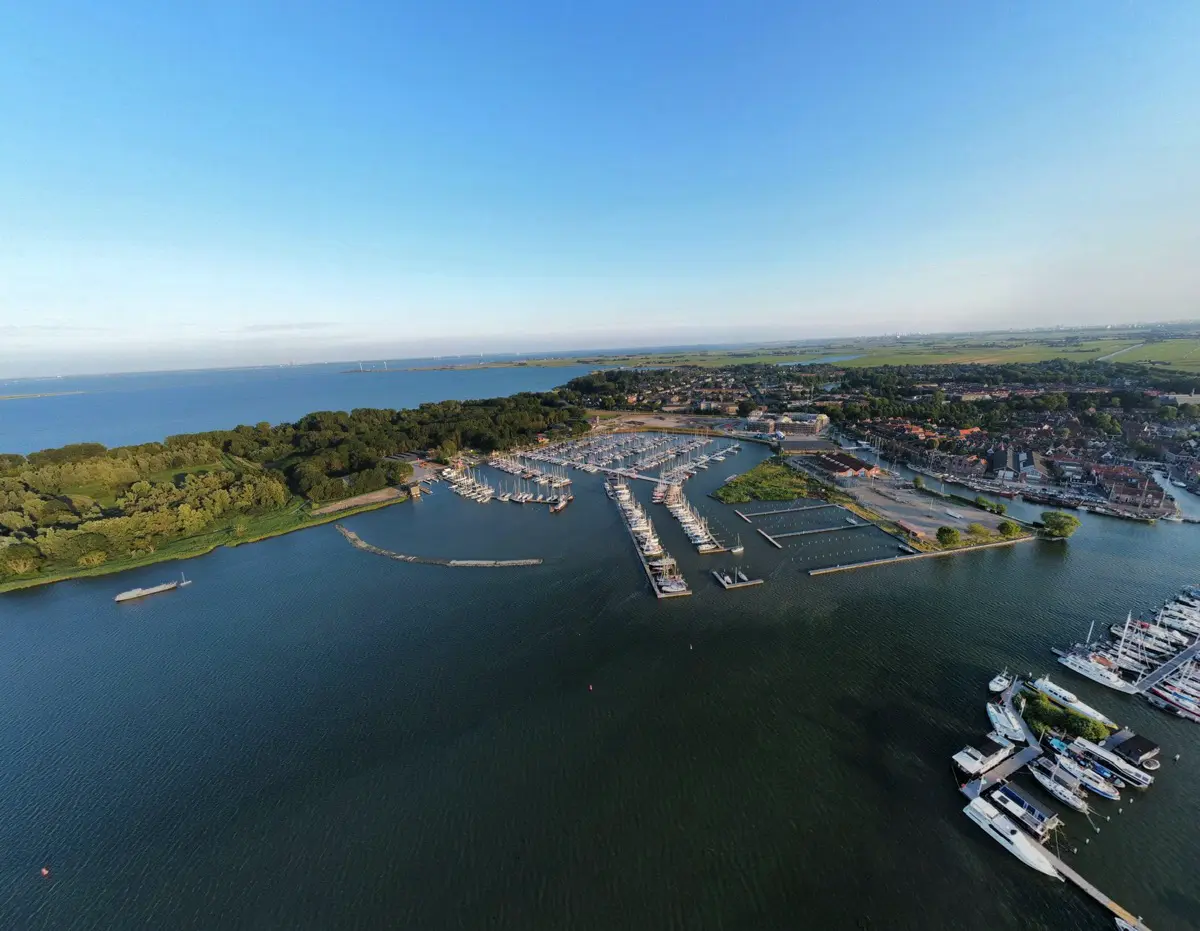
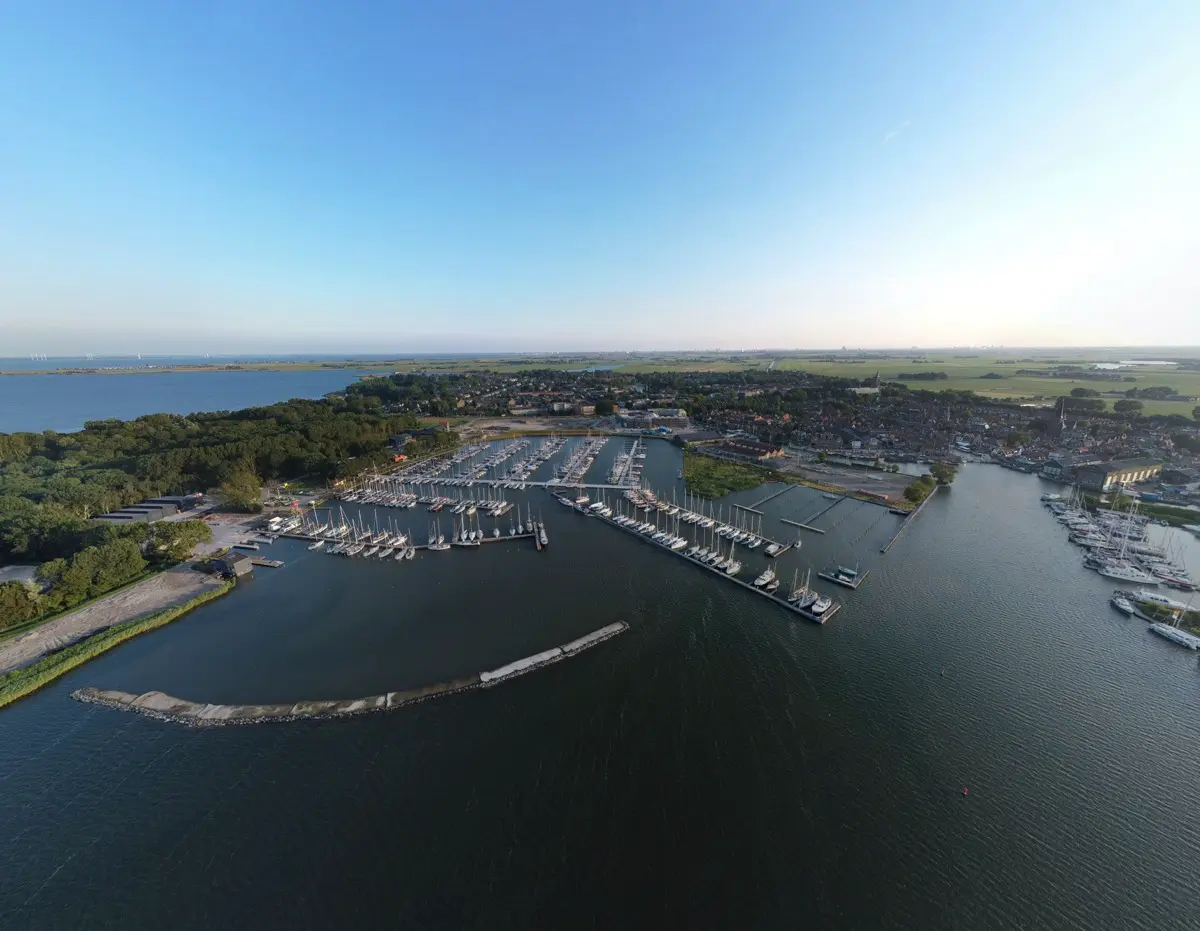
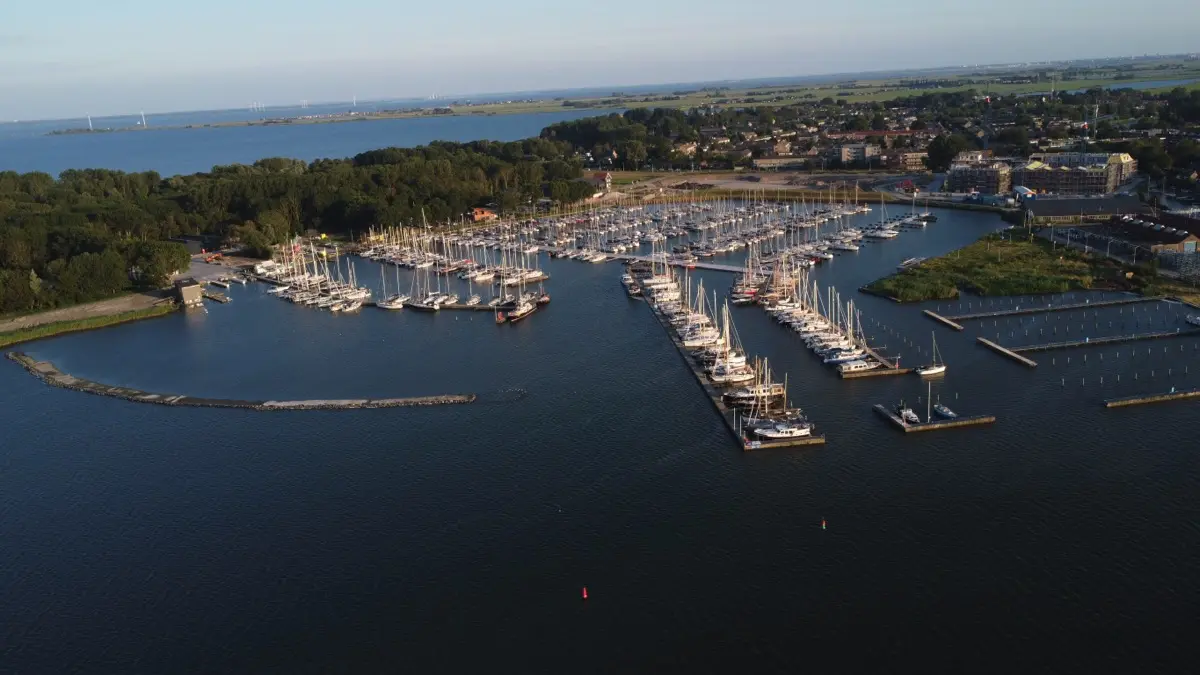
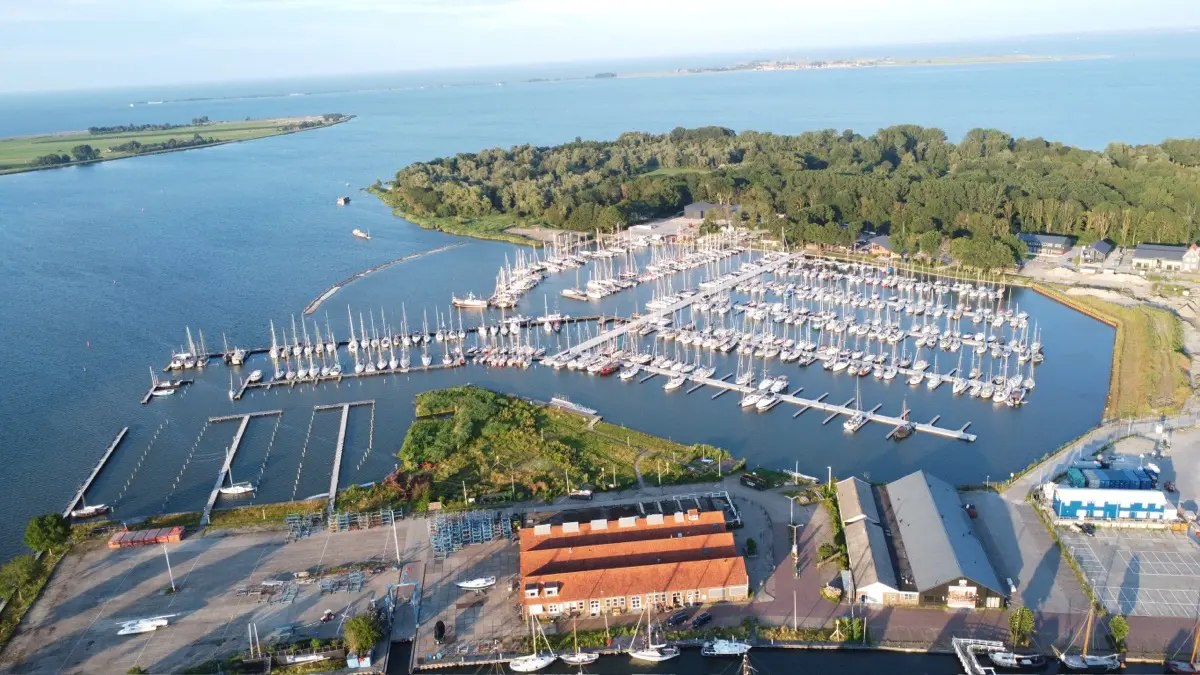
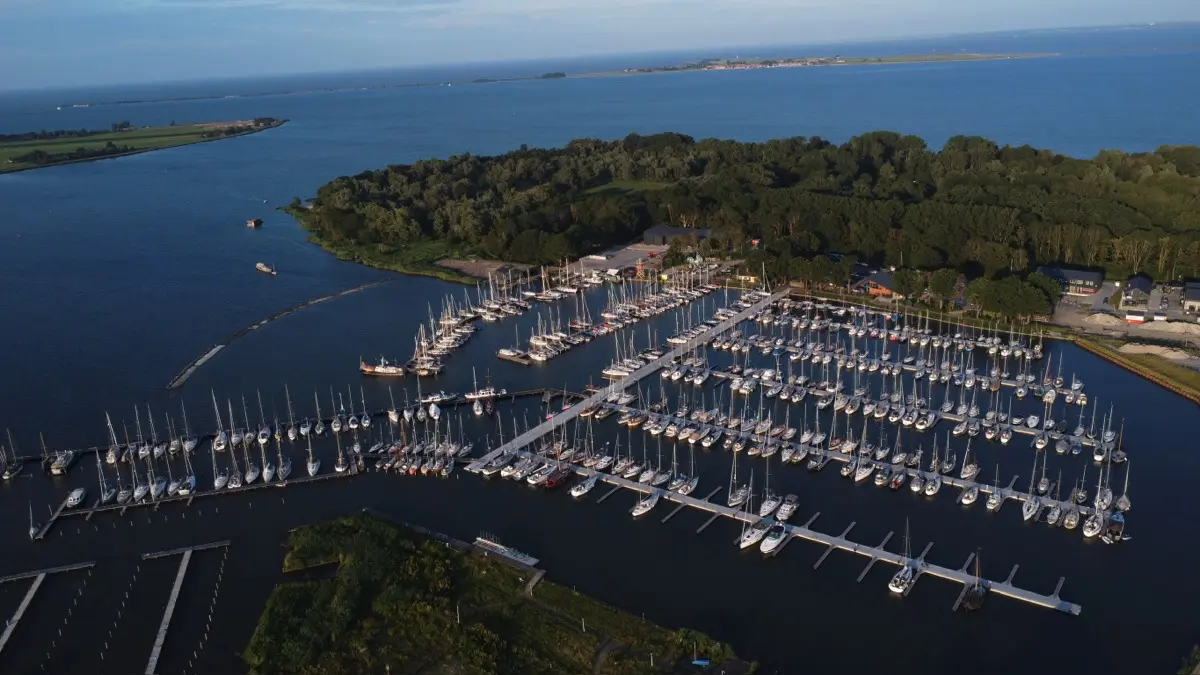
That approach is central to the redevelopment of Waterland Marina in Monnickendam, Netherlands, where SF Marina has delivered a concrete floating pontoon system for a major rebuild of the harbor. The project connects two adjoining marina areas through a redesigned layout, creating a unified floating infrastructure system across the harbor.
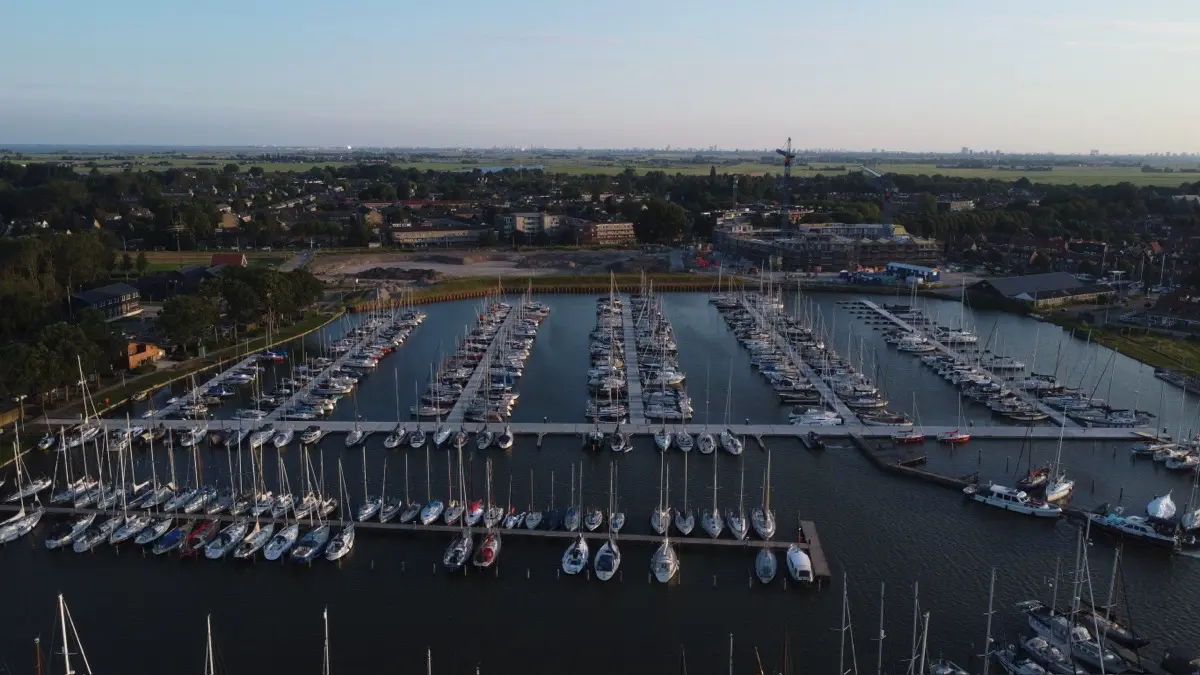
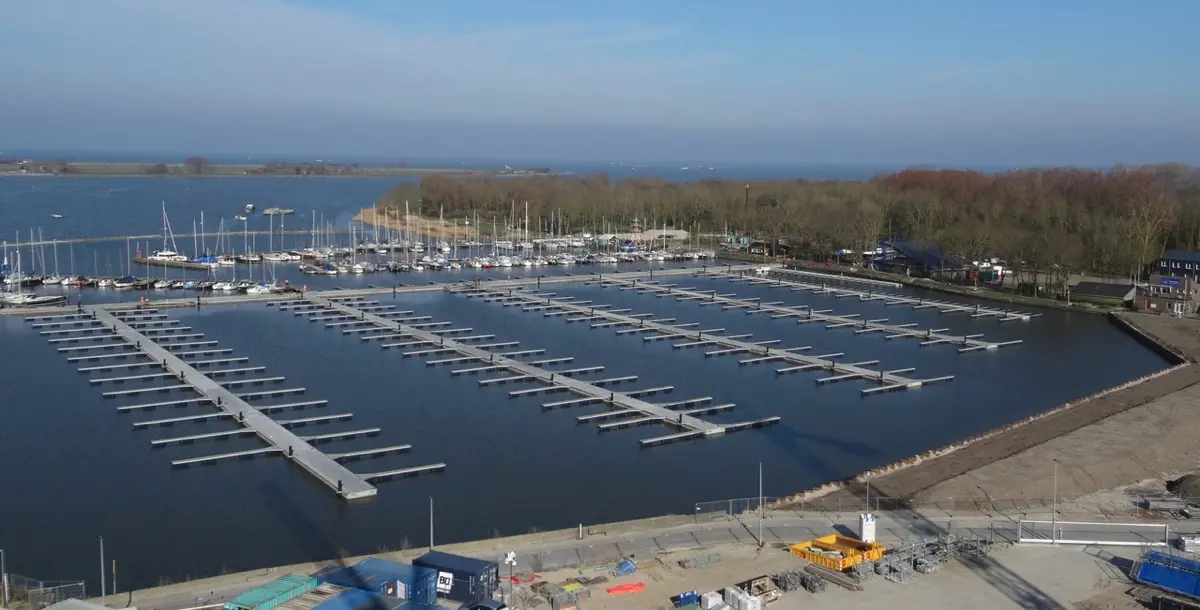
SF Marina’s scope includes a 220-meter-long, six-meter-wide central pontoon, approximately 1.1 kilometers of total pontoon infrastructure, and 224 fi nger piers. The new layout accommodates 392 berths across multiple vessel-size categories, creating a clearer and more practical arrangement for managing a high volume and variety of boats.
The redevelopment replaces the marina’s aging wooden pontoons with a modern floating system designed to support the sites long-term operation while providing greater flexibility across its range of berth sizes.
“In close collaboration with the client, we designed a marina that delivers a significant upgrade in both comfort and accessibility compared to the previous fixed timber docks,” said Peter Santesson, Project Manager at SF Marina. “A six-meter-wide main walkway combined with walkable finger pontoons creates a more user-friendly marina and provides boat owners with a substantially enhanced berthing experience.”
The project was carried out during a concentrated winter construction period, with the existing marina removed before the new floating infrastructure was installed.
For SF Marina, the Waterland Marina redevelopment demonstrates how large-scale floating infrastructure can support the modernization of an established harbor while addressing the operational demands of a high-capacity marina.